Vasectomy is widely recognized as one of the most effective forms of permanent male contraception. Although the procedure successfully interrupts the vas deferens and prevents new sperm from entering semen, sterility does not occur immediately after surgery. Residual sperm can remain in the reproductive tract for weeks or even months following the procedure. Because of this, sperm clearance time has become an important subject of clinical analysis and patient counseling.
Sperm clearance refers to the period required for existing sperm cells to be completely eliminated from the semen after vasectomy. This process varies significantly between individuals and depends on several biological and behavioral factors. Understanding sperm clearance timelines is essential because unintended pregnancy can still occur if alternative contraception is discontinued too early.
Modern research has provided detailed data regarding average clearance rates, predictors of delayed clearance, and the effectiveness of follow-up semen testing protocols.
Why Sperm Remains After Vasectomy
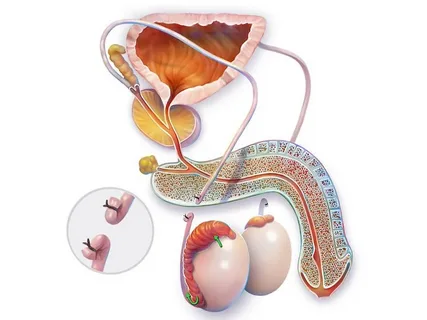
During a vasectomy, the vas deferens are cut, sealed, or blocked to prevent sperm transport from the testes. However, sperm already stored in structures located beyond the surgical site remain present after the procedure.
Residual sperm may persist within:
- The distal vas deferens
- The seminal vesicles
- The ampulla
- Portions of the reproductive tract closer to ejaculation pathways
As ejaculation continues after surgery, these remaining sperm are gradually expelled over time. Until semen analysis confirms the absence of sperm, fertility cannot be considered fully eliminated.
Average Sperm Clearance Time
Clinical studies consistently show that sperm clearance timelines vary considerably among patients. While some men achieve azoospermia rapidly, others continue to produce detectable sperm for several months.
Azoospermia refers to the complete absence of sperm in semen.
Most datasets report that:
- Many men clear sperm within 8 to 12 weeks
- Some require 16 to 24 weeks
- A smaller group experiences delayed clearance beyond six months
Because of these variations, urologists emphasize follow-up semen testing rather than relying solely on elapsed time.
Research also indicates that sperm clearance is influenced more strongly by ejaculation frequency than by recovery duration alone.
Role of Ejaculation Frequency
One of the most important variables in sperm clearance analysis is ejaculation frequency after vasectomy. Residual sperm are physically removed through ejaculation, meaning men with more frequent ejaculations generally clear sperm faster.
Clinical recommendations often suggest approximately 20 ejaculations before semen testing.
Studies comparing patient groups found that:
- Men with frequent ejaculation schedules achieved earlier azoospermia
- Lower ejaculation frequency correlated with prolonged sperm persistence
- Delayed clearance was more common among older patients with infrequent ejaculation patterns
This evidence supports the idea that mechanical clearance plays a major role in post-vasectomy sterility timelines.
Semen Analysis and Confirmation of Sterility
Post-vasectomy semen analysis is considered the gold standard for confirming procedural success. Even though vasectomy effectiveness exceeds 99%, laboratory confirmation remains essential.
Typical follow-up protocols include:
- Initial semen testing at 8 to 12 weeks
- Additional testing if sperm remain detectable
- Continued contraception until clearance confirmation
Most laboratories evaluate:
- Total sperm count
- Sperm motility
- Presence of rare non-motile sperm
- Complete azoospermia status
Some guidelines accept rare non-motile sperm as clinically sterile because immobile sperm cannot effectively fertilize an egg. However, protocols vary between healthcare systems and individual urologists.
Delayed Sperm Clearance
Delayed sperm clearance occurs when sperm remain detectable longer than expected after vasectomy. Although this situation may cause patient anxiety, it does not necessarily indicate procedural failure.
Several factors contribute to delayed clearance, including:
- Lower ejaculation frequency
- Larger sperm reservoir volume
- Individual anatomical differences
- Older age
- Surgical technique variations
In most cases, sperm counts gradually decline over time without requiring additional intervention.
Data show that motile sperm persistence beyond six months is relatively uncommon and may warrant repeat evaluation.
Rare Cases of Vasectomy Failure
Sperm clearance analysis also helps identify rare cases of vasectomy failure. Failure may occur when the vas deferens reconnect spontaneously, a phenomenon known as recanalization.
Early recanalization may allow sperm to re-enter the semen despite an initially successful procedure.
Signs suggesting possible failure include:
- Persistently high sperm counts
- Continued motile sperm after several months
- Rising sperm concentration over time
Fortunately, true vasectomy failure remains rare. Most large-scale studies estimate long-term failure rates below 1%.
Routine semen analysis is critical because it distinguishes delayed clearance from genuine recanalization.
Impact of Surgical Technique on Clearance
Research comparing vasectomy methods suggests that surgical technique may influence sperm clearance patterns.
Open-Ended Vasectomy
In an open-ended vasectomy, one end of the vas deferens remains unsealed. Some evidence suggests this technique may reduce pressure-related complications and improve patient comfort.
However, clearance timelines remain variable.
Closed-Ended Vasectomy
Closed-ended methods seal both ends of the vas deferens completely. This approach is highly effective but may occasionally increase epididymal pressure.
Fascial Interposition and Cautery
Advanced techniques involving fascial interposition and thermal cautery demonstrate particularly low failure rates. These methods are increasingly preferred in modern urologic practice.
While procedural differences may influence outcomes slightly, ejaculation frequency and individual physiology still appear to be the strongest predictors of sperm clearance speed.
Psychological Effects of Delayed Clearance
Patients often expect immediate sterility after vasectomy, leading to frustration when sperm remain detectable during follow-up testing.
Counseling before surgery is therefore extremely important. Men should understand that:
- Vasectomy is not instantly effective
- Additional contraception remains necessary
- Delayed clearance is relatively common
- Multiple semen analyses may be required
Studies show that proper education significantly improves compliance with follow-up testing and reduces premature discontinuation of contraception.
Compliance Challenges With Semen Testing
One major concern in vasectomy care is poor compliance with post-procedure semen analysis.
Large observational studies indicate that many men fail to complete recommended follow-up testing. Some discontinue contraception without laboratory confirmation, increasing unintended pregnancy risk.
Several reasons contribute to low compliance:
- Misunderstanding of sterility timelines
- Busy schedules
- Embarrassment regarding sample collection
- Assumption that surgery alone guarantees immediate infertility
Healthcare systems increasingly use reminders, digital scheduling systems, and simplified laboratory protocols to improve compliance rates.
Long-Term Effectiveness After Clearance
Once azoospermia or approved clearance criteria are achieved, vasectomy becomes one of the most reliable contraceptive methods available.
Long-term studies demonstrate:
- Extremely low pregnancy rates
- Stable sterility outcomes
- Minimal need for repeat procedures
- High patient satisfaction
Importantly, sperm production itself does not stop after vasectomy. The testes continue producing sperm cells, but the body naturally reabsorbs them.
This biological process does not usually cause health problems or hormonal disruption.
Future Trends in Sperm Clearance Research
Modern research continues exploring methods to improve post-vasectomy monitoring and reduce delayed clearance uncertainty.
Areas of ongoing investigation include:
- Home semen testing kits
- AI-assisted sperm detection systems
- Improved predictive models for clearance timelines
- Enhanced surgical occlusion methods
- Personalized follow-up schedules
These innovations may improve convenience and increase patient adherence to follow-up recommendations in the future.
Conclusion
Vasectomy is highly effective, but sterility is not immediate after surgery. Sperm clearance time varies considerably among individuals and depends largely on ejaculation frequency, physiology, and follow-up compliance.
Most men achieve sperm clearance within several months, though delayed clearance remains relatively common and does not automatically indicate failure. Post-vasectomy semen analysis continues to be the most reliable method for confirming sterility and preventing unintended pregnancy.
As surgical techniques and monitoring technologies continue evolving, sperm clearance analysis remains an essential component of safe and effective vasectomy care.
FAQs
1. How long does it take to clear sperm after a vasectomy?
Most men achieve sperm clearance within 8 to 12 weeks, but some may require several months before semen becomes sperm-free.
2. Can pregnancy occur before sperm clearance is confirmed?
Yes. Residual sperm may still be present after surgery, so alternative contraception should be used until semen analysis confirms sterility.
3. Why is semen analysis necessary after vasectomy?
Semen testing confirms whether sperm are still present in the ejaculate and helps detect delayed clearance or rare procedural failure.