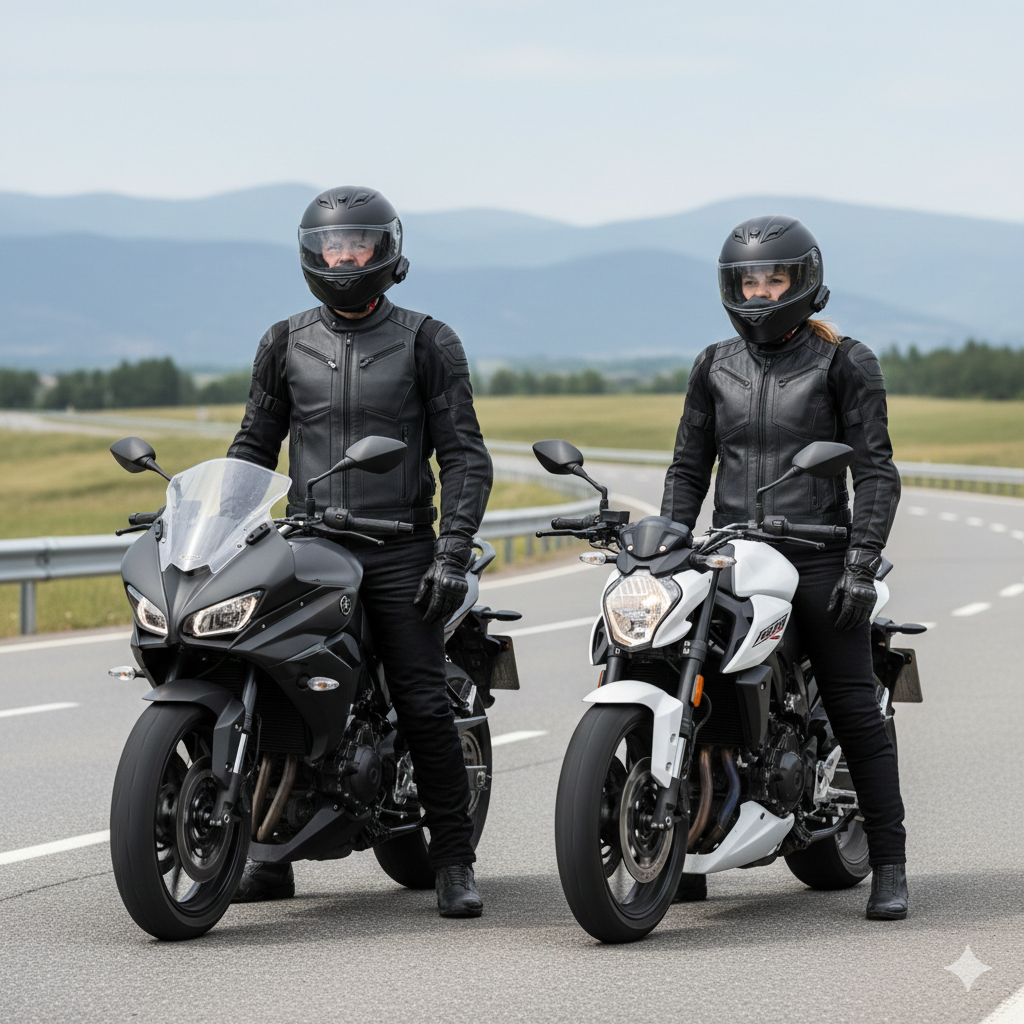
Motorcycle riding is a combination of skill, passion, and responsibility. For experienced riders, selecting appropriate riding gear is crucial not only for comfort but also for safety, performance, and long-term riding sustainability. Among the wide range of available equipment, certain gear choices—such as protective vests—serve both functional and stylistic purposes. This article provides a detailed examination of top motorcycle riding gear for seasoned riders, with a particular focus on biker vest for men and biker vest for women, highlighting design considerations, practical applications, and industry standards.
Understanding Motorcycle Riding Gear
Motorcycle gear encompasses apparel, protective equipment, and accessories designed to enhance rider safety, performance, and comfort. Experienced riders consider factors such as material durability, impact protection, weather resistance, ergonomic fit, and modular compatibility. Gear selection is guided by both regulatory standards (such as CE armor certification in Europe) and real-world use scenarios, ranging from long-distance touring to high-performance track riding.
Key Functions of Motorcycle Gear
- Protection: Primary goal is to mitigate injuries during accidents. Gear such as helmets, gloves, armored jackets, and vests are designed to absorb impact and reduce abrasions.
- Comfort: High-quality materials and ergonomic designs support extended riding sessions, controlling temperature and preventing fatigue.
- Performance: Gear can enhance aerodynamics, mobility, and rider feedback, particularly in high-speed or technical riding conditions.
- Identity and Style: For many riders, gear communicates affiliation, personal style, and rider culture, without compromising safety.
Biker Vests: Core Considerations for Experienced Riders
Among riding apparel, biker vests are particularly notable for their blend of protection, utility, and style. They are often layered over jackets or shirts, providing additional storage, reinforced areas, and visual identification.
Biker Vest for Men
A biker vest for men serves multiple functions: abrasion resistance, armor integration, and accessory storage. High-quality leather vests are typically constructed from full-grain or top-grain leather, offering durability and natural flexibility. Modern designs integrate CE-approved armor in the back, chest, and shoulders, improving protection without compromising mobility.
For a curated selection of high-performance options, including vests specifically engineered for male riders, visit biker vest for men.
Key Features to Evaluate:
- Armor compatibility and placement
- Reinforced stitching and panel design
- Adjustable fit for layering over jackets
- Weatherproofing and ventilation options
- Functional pockets for tools and electronics
Biker Vest for Women
Similarly, a biker vest for women addresses anatomical and ergonomic requirements unique to female riders. Vests for women are tailored for proper fit around the shoulders, waist, and bust, ensuring comfort while maintaining effective protection. Advanced designs offer reinforced panels, lightweight armor, and breathable fabrics.
High-quality women’s leather options can be explored at biker vest for women.
Design Priorities:
- Contoured fit for mobility and comfort
- Integrated armor with CE rating for impact absorption
- Adjustable features for layering over jackets or long-sleeve shirts
- Storage solutions designed for accessibility during rides
Expert Insights & Best Practices
Professional riders and motorcycle gear manufacturers emphasize several best practices to maximize the safety, comfort, and durability of biker vests. Layering for versatility is essential, as vests should integrate seamlessly with both base layers and outer garments, allowing riders to adapt to seasonal variations and diverse riding conditions. Armor integration is critical; high-quality vests must accommodate certified armor inserts in key areas, including the back, chest, and shoulders, to provide effective impact protection.
Material quality is another important consideration—leather offers superior abrasion resistance and long-term durability, while advanced textile options can provide weatherproofing and improved ventilation. Proper fit ensures that vests remain snug without restricting movement, and adjustable straps or zippers can enhance ergonomics and safety. Finally, routine maintenance, including cleaning, leather conditioning, and inspection of armor placement, is necessary to preserve the vest’s protective performance and longevity over time.
Common Mistakes and Misconceptions
A number of common mistakes can compromise the effectiveness of biker vests, even among experienced riders. One frequent error is overlooking armor standards, as some riders choose vests based solely on style without considering CE-approved armor requirements, which are critical for impact protection. Improper fit is another issue; vests that are excessively loose or overly tight can reduce protection and restrict mobility, diminishing both safety and comfort.
Neglecting layering is also problematic, since vests worn as standalone items may fail to provide adequate protection in varying weather conditions. Insufficient ventilation can lead to rider fatigue and reduced focus during extended rides, while assuming that leather alone offers full protection is misleading—though highly durable, leather without integrated armor cannot fully mitigate the risk of impact injuries.
Conclusion
For experienced riders, the selection of motorcycle gear is a decisive factor in safety, comfort, and performance. Biker vests for men and biker vests for women are critical components that combine protection, utility, and style. Prioritizing certified armor, high-quality materials, ergonomic fit, and proper maintenance ensures long-term reliability and rider safety. By adhering to expert-recommended standards and industry best practices, riders can optimize both their gear and their riding experience.
FAQs
1. What materials are most effective for biker vests?
Leather remains the preferred choice for abrasion resistance and durability. Premium full-grain leather is highly resistant to tears and offers natural flexibility. Textile blends may provide better ventilation and water resistance.
2. How should armor be positioned in a vest?
Armor should cover critical areas: back (spine), chest, and shoulders. CE-rated armor ensures standardized impact absorption, and adjustable inserts improve fit.
3. Can biker vests be worn over jackets?
Yes. Expert riders often layer vests over jackets for additional protection and utility, ensuring flexibility and comfort while maintaining armor alignment.
4. Are there gender-specific design considerations?
Yes. Vests for women incorporate ergonomic tailoring around the bust, waist, and shoulders, while male vests typically focus on broader chest and shoulder fit. Proper fit is crucial for protection and mobility.
5. How should a rider choose between leather and textile vests?
Leather excels in abrasion resistance and longevity. Textile vests are lighter, more breathable, and often waterproof. Riders should select based on environment, riding style, and climate conditions.
6. What maintenance practices ensure vest longevity?
Regular leather conditioning, inspection of stitching and armor integrity, and careful cleaning of textiles prolong vest life. Avoid excessive exposure to sunlight or moisture.
7. Can a vest replace a full riding jacket?
No. While vests add protection and style, full jackets with integrated armor are generally required for comprehensive coverage, particularly in high-speed or urban riding.