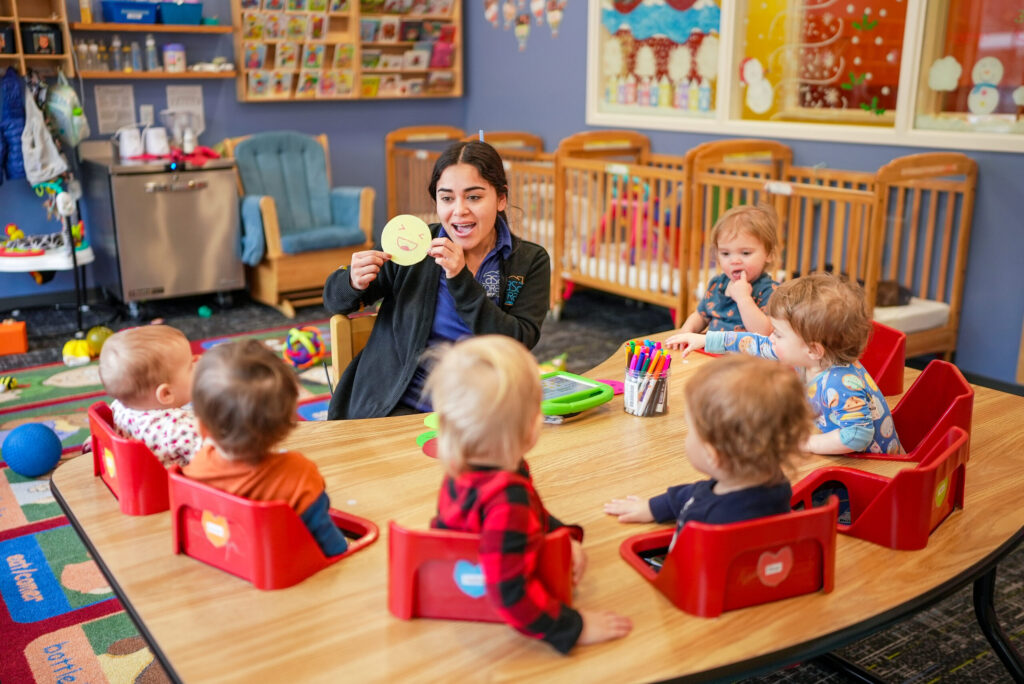
Choosing the right daycare shapes a child’s future learning path. For many families, language exposure ranks high. A spanish daycare offers more than care. It builds communication skills, cultural awareness, and confidence from the earliest years.
Early childhood is the best time for language learning. Children absorb sounds naturally. Because of this, many parents now search for a spanish daycare near cleveland ohio that blends education with care. This approach supports working families while giving children a lifelong advantage.
What Is a Spanish Daycare?
A spanish daycare is an early learning center where Spanish plays a central role. Children hear, speak, and practice Spanish daily. At the same time, they follow age-appropriate childcare routines.
Unlike immersion schools, daycare focuses on early development. Language learning happens through play, songs, stories, and interaction. As a result, children learn naturally without pressure.
These programs often welcome children from all backgrounds. No prior Spanish knowledge is required. Therefore, both bilingual and non-Spanish families benefit equally.
Why Early Spanish Exposure Matters
Young brains grow rapidly. Because of this, they process language patterns faster than adults. Early exposure helps children develop native-like pronunciation.
In addition, bilingual children often show stronger cognitive skills. They improve focus, memory, and problem-solving. These benefits extend into school years and beyond.
Cultural understanding also grows early. Children learn respect for diversity through daily interaction. This foundation supports empathy and social growth later in life.
Benefits of Enrolling in a Spanish Daycare
Strong Language Foundations
Daily exposure builds vocabulary quickly. Children learn common words through repetition and context. Over time, comprehension improves naturally.
Speaking confidence grows as well. Children feel comfortable switching between languages. This skill becomes valuable in academic settings.
Cognitive and Academic Advantages
Bilingual children often outperform peers in certain tasks. They adapt faster to new concepts. Because of this, early bilingualism supports long-term academic success.
Math and reading skills also benefit. Language flexibility improves pattern recognition. As a result, learning becomes smoother.
Social and Emotional Growth
Children interact with peers from diverse backgrounds. This environment builds social confidence. It also encourages cooperation and empathy.
Teachers model respectful communication. Therefore, children learn positive behavior early. Emotional regulation improves through guided interaction.
Daily Activities in a Spanish Daycare
Play-Based Learning
Play drives learning at this age. Teachers use games to introduce Spanish words. For example, children learn colors, numbers, and shapes during play.
Songs and rhymes reinforce pronunciation. Movement keeps children engaged. Because of this, learning feels fun.
Storytelling and Reading Time
Storytime introduces sentence structure. Teachers read bilingual or Spanish-first books. Children associate meaning with images and actions.
Discussion follows reading. Simple questions encourage participation. Over time, comprehension strengthens.
Arts, Crafts, and Music
Creative activities support language use. Children follow Spanish instructions during art time. Music introduces rhythm and repetition.
These activities improve motor skills. At the same time, they expand vocabulary naturally.
Curriculum Approach in Spanish Daycare Programs
Language Immersion Balance
Most programs balance Spanish with English support. Teachers adjust based on age and comfort level. This approach reduces frustration.
Gradual immersion works best. Children feel safe while learning. Therefore, progress remains steady.
Age-Appropriate Learning Goals
Toddlers focus on listening and simple words. Preschoolers begin forming sentences. Each stage builds on the previous one.
Teachers track progress carefully. They adapt activities to individual needs. This personalization improves outcomes.
Cultural Education Elements
Cultural lessons appear throughout the day. Children learn about traditions, holidays, and food. These lessons enrich language learning.
Exposure builds curiosity. It also strengthens cultural respect early.
How Teachers Support Language Development
Qualified teachers make a big difference. Most educators are fluent Spanish speakers. Many also have early childhood training.
They model correct pronunciation consistently. Gentle correction happens through repetition. Children learn without embarrassment.
Positive reinforcement keeps motivation high. Teachers celebrate small milestones. Because of this, children stay engaged.
What Parents Should Look for in a Spanish Daycare
Licensing and Safety Standards
Safety comes first. Always confirm proper licensing. Clean facilities and clear policies matter.
Staff-to-child ratios should meet regulations. This ensures individual attention. A safe environment supports learning.
Teacher Qualifications
Ask about language proficiency. Native or fluent speakers provide better exposure. Early education training also matters.
Observe teacher interaction. Warm, patient communication indicates quality care.
Curriculum Transparency
Good programs explain their approach clearly. They share daily schedules and learning goals. This transparency builds trust.
Regular parent updates help as well. Communication keeps families involved.
Addressing Common Parent Concerns
Will Spanish Delay English?
Research shows no language delay. Children separate languages naturally. English development continues alongside Spanish.
In fact, bilingualism often strengthens overall language skills. Therefore, concerns usually fade quickly.
What If Parents Do Not Speak Spanish?
Parent fluency is not required. Teachers guide children fully. Parents can support learning through interest and encouragement.
Many programs offer resources. Simple phrases help parents stay involved.
How Fast Will My Child Learn?
Progress varies by child. Some speak quickly. Others take more time.
Consistency matters most. Daily exposure ensures steady improvement.
Long-Term Impact of Spanish Daycare Education
Early bilingualism opens future opportunities. Children adapt easily to advanced language study. They also gain cultural confidence.
Later, these skills support career growth. Many industries value bilingual professionals. Starting early gives a strong edge.
Social benefits last as well. Children feel comfortable in diverse environments. This confidence shapes adulthood.
Choosing the Right Spanish Daycare for Your Family
Start with clear goals. Decide what matters most. Location, schedule, and teaching style all play roles.
Visit centers in person. Observe classrooms and interactions. Ask detailed questions.
Trust your instincts. A welcoming environment often signals quality care.
Final Thoughts on Spanish Daycare Programs
A spanish daycare offers much more than childcare. It builds language, culture, and confidence together. Early exposure creates lifelong benefits.
For families seeking strong foundations, this option stands out. With the right program, children thrive academically and socially. Investing early shapes a brighter future.