Labubu
Labubu is not just a toy, and it is definitely not just another collectible figurine sitting quietly on a shelf. It is a character with attitude, expression, and a strangely emotional presence that makes people feel like they are interacting with a tiny personality rather than a piece of plastic. Created by artist Kasing Lung under the world of The Monsters series, Labubu has grown into one of the most recognizable figures in contemporary designer toy culture. What makes Labubu so compelling is not just its visual design, but the way it seems to carry a story inside its grin, as if it knows something the viewer doesn’t.
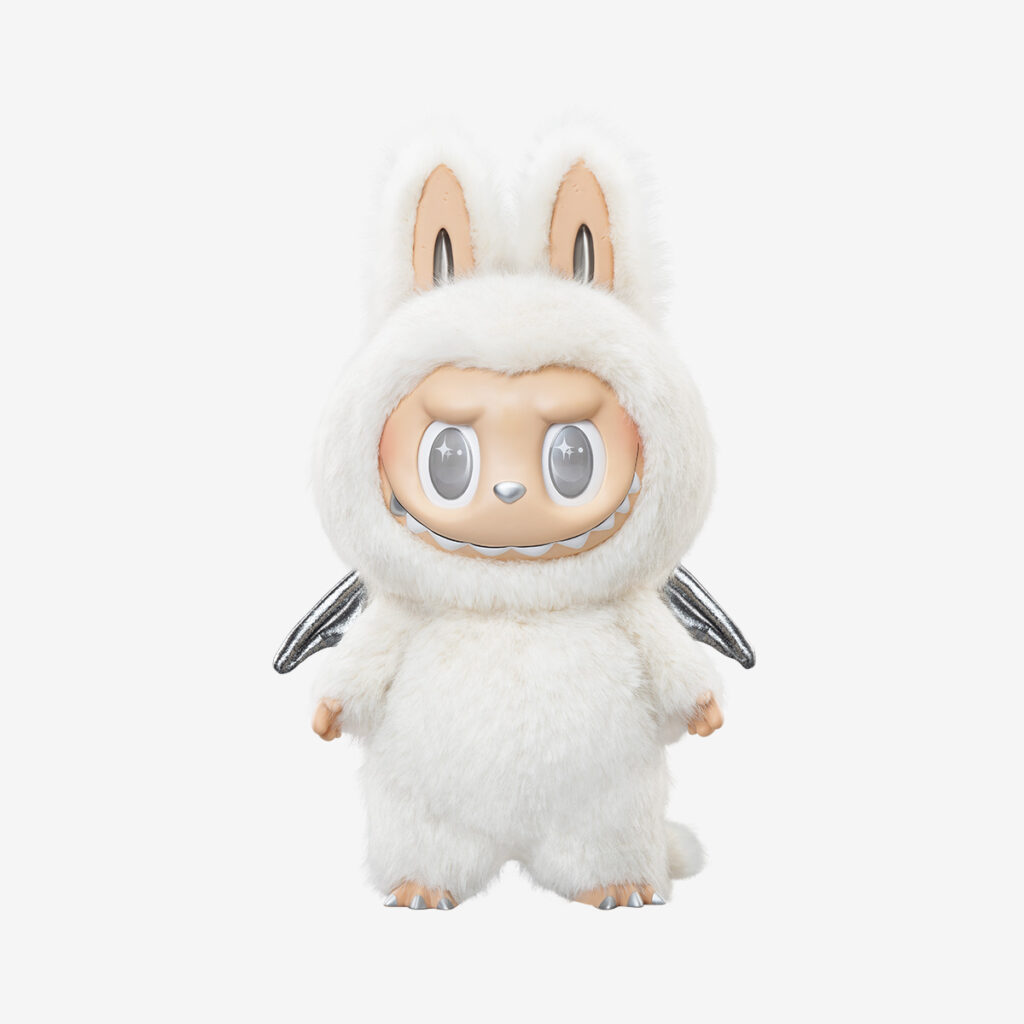
At first glance, Labubu appears chaotic—big eyes, sharp little teeth, a mischievous smile, and a body that looks like it belongs to a forest creature from a dream that got slightly out of control. But the more you observe it, the more you realize that this chaos is intentional. Labubu is designed to feel imperfect, emotional, and alive, which is exactly why it resonates so strongly with collectors around the world.
The Origins of Labubu: Born from Storytelling, Not Just Design
Labubu originates from the creative universe of Labubu, a world built by Hong Kong–Belgian artist Kasing Lung. Unlike many commercial toy characters that are designed purely for mass appeal, Labubu was born from illustrated storytelling. Kasing Lung originally developed a fantasy-inspired narrative world filled with strange creatures, mystical forests, and emotionally expressive beings.
Labubu is one of the central characters in that universe. It is often described as mischievous but not evil—more like a playful troublemaker who doesn’t fully understand the consequences of its actions. This emotional ambiguity is what makes Labubu interesting. It is not a hero or villain; it simply exists in a gray space of curiosity and instinct.
Over time, Pop Mart helped transform Labubu from an illustrated character into a physical collectible figure, making it accessible to global audiences. This transition from paper to product did not dilute its identity; instead, it amplified its personality.
Design Language: Why Labubu Looks the Way It Does
One of the most fascinating aspects of Labubu is its visual design language. It does not rely on traditional “cute” aesthetics like rounded shapes or soft expressions. Instead, it blends cuteness with slight unease. The wide eyes feel alert and curious, while the jagged teeth create a sense of unpredictability. This combination creates a psychological tension: the viewer is unsure whether to hug Labubu or cautiously observe it.
The body proportions are intentionally stylized. The head is oversized compared to the body, giving it a childlike silhouette, while the limbs remain small and slightly awkward. This imbalance adds to its emotional expressiveness, making each pose feel animated even when the figure is completely still.
Color variations also play a major role. Labubu appears in countless themed editions—forest versions, fantasy versions, seasonal costumes, and artistic collaborations. Each variation shifts its mood slightly. In one version, it might feel playful and innocent; in another, it might feel like a forest spirit watching silently from the shadows.
This ability to shift identity while maintaining core recognition is one of the strongest elements of its design philosophy.
The Emotional Appeal: Why People Connect With Labubu
Labubu’s popularity cannot be explained by aesthetics alone. There is a deeper emotional connection that collectors often describe. Many people say Labubu feels “alive” in a way that is difficult to articulate. This comes from the character’s expressive asymmetry. Unlike perfectly polished corporate mascots, Labubu looks like it has a mind of its own.
The slightly chaotic smile gives it personality. It feels like it is reacting to something happening outside the frame. This creates imagination in the viewer’s mind, where they start assigning thoughts, moods, and stories to it.
In a world filled with highly polished digital perfection, La bubu stands out because it feels imperfect and emotionally unpredictable. That imperfection makes it relatable. It mirrors human moods—sometimes playful, sometimes strange, sometimes quietly intense.
Collectors often describe the experience of owning Labubu as similar to having a tiny companion that changes meaning depending on your emotional state.
The Rise of Designer Toy Culture and Labubu’s Place in It
To understand Labubu’s popularity, it is important to understand the broader rise of designer toy culture. Unlike mass-produced toys, designer toys are often limited-edition art pieces created by independent artists or collaborations between artists and companies. They are collected not just for play, but for artistic appreciation.
Within this space, Labubu has become one of the standout figures. Its versatility allows it to be reinterpreted endlessly without losing identity. This is a key reason why it thrives in blind box culture, where each unboxing feels like a small surprise encounter with a different version of the same character.
The excitement of not knowing which Labubu variant you will receive adds a layer of emotional engagement. It turns collecting into an experience rather than just a purchase.
Variations and Story Expansion: A Growing Universe
Over time, Labubu has expanded into numerous themed series. Each series explores a different emotional or environmental concept. Some versions place Labubu in forest settings, emphasizing its creature-like origins. Others place it in imaginative costumes that reflect seasonal or fantasy themes.
This constant reinvention keeps the character fresh without breaking continuity. It is still Labubu, but it adapts like a living being responding to different environments.
This evolving nature has helped Labubu remain relevant in a fast-changing collectible market. Instead of being a static product, it feels like an ongoing narrative.
Cultural Impact: From Niche Collectible to Global Recognition
Labubu has grown from a niche art toy into a globally recognized figure in pop culture. Social media platforms have played a major role in this expansion. Collectors frequently share unboxing videos, display setups, and photography featuring Labubu in creative scenes.
This digital storytelling has given Labubu a second life beyond physical shelves. It is now part of aesthetic culture, often appearing in curated room displays, photography projects, and even fashion-inspired content.
Its appeal crosses cultural boundaries because it does not rely on language. The expression of Labubu communicates emotion directly through design.
Why Labubu Feels Different From Other Collectibles
There are many collectible figures in the world, but Labubu stands apart because it does not try to be universally “cute” or safe. It embraces contradiction. It is adorable yet slightly unsettling, playful yet mysterious, simple yet emotionally layered.
This complexity makes it memorable. People do not just see Labubu—they interpret it. And interpretation creates attachment.
It also reflects a broader shift in modern aesthetics, where imperfection and emotional depth are valued more than polished uniformity. Labubu fits perfectly into this new visual culture.