ICSI Procedure
Intracytoplasmic Sperm Injection, commonly known as ICSI, is a widely used fertility treatment for couples facing male infertility or previous IVF failure. Many couples feel anxious before starting treatment and often ask an important question.
Understanding the ICSI Procedure
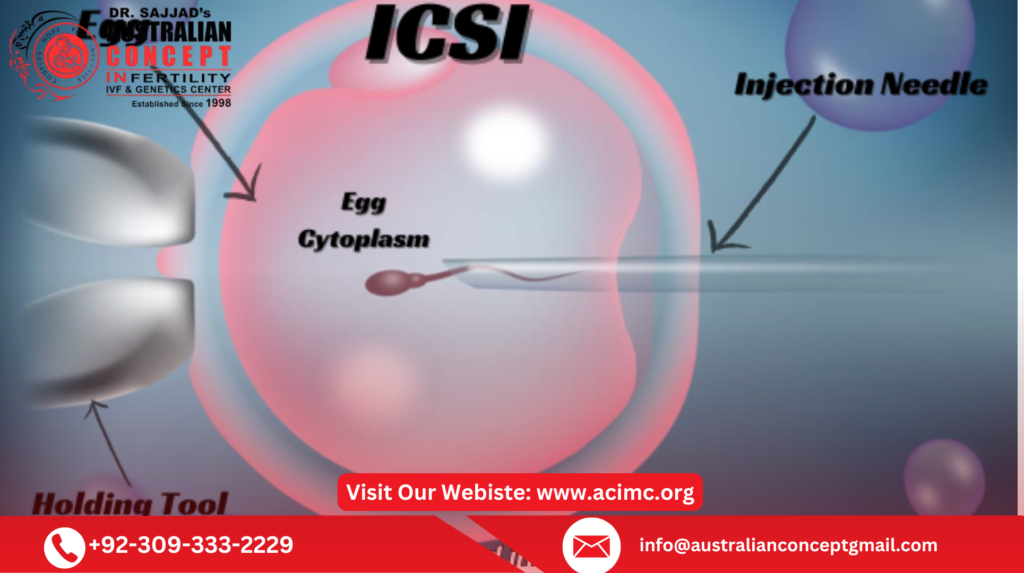
ICSI is a specialized form of in vitro fertilization. In this ICSI Procedure, a single healthy sperm is directly injected into a mature egg in a laboratory. This technique is helpful when sperm count is low, sperm movement is weak, or fertilization has failed in previous IVF cycles.
The procedure is carefully planned and carried out in stages rather than as a single-day treatment. Most of these stages are outpatient-based.
Do You Need to Stay in the Hospital?
In the majority of cases, hospital admission is not needed for ICSI. The procedure is usually done as a day-care treatment. Patients come to the clinic, undergo the required step, rest for a short period, and return home the same day.
Hospital stay is only considered in rare situations, such as medical complications or severe health conditions that need close monitoring.
Step-by-Step: Where Hospital Admission Is Not Required
1. Ovarian Stimulation
The female partner takes hormone injections for about 10 to 12 days to stimulate egg production. These injections are often self-administered at home. Regular clinic visits are needed for ultrasound scans and blood tests, but admission is not required.
2. Egg Retrieval
Egg retrieval is a minor procedure performed under light anesthesia or sedation. It usually takes 15 to 20 minutes. After the procedure, the patient rests for one to two hours and is then allowed to go home. Overnight hospital stay is not needed in normal cases.
3. Sperm Collection
Sperm collection is simple and done on the same day as egg retrieval. It does not require admission or anesthesia.
4. Fertilization and Embryo Development
The actual ICSI process takes place in the laboratory. The couple does not need to be present, and no hospital stay is involved.
5. Embryo Transfer
Embryo transfer is a painless procedure similar to a routine gynecological examination. It does not require anesthesia or admission. The patient can go home shortly after the transfer.
When Might Hospital Admission Be Needed?
Although uncommon, hospital admission may be advised in the following situations:
-
Severe ovarian hyperstimulation syndrome
-
Excessive pain or internal bleeding after egg retrieval
-
Existing medical conditions such as heart disease or uncontrolled diabetes
-
Rare complications related to anesthesia
These cases are not routine and occur in a very small percentage of patients.
Is ICSI a Painful Procedure?
Most patients report mild discomfort rather than pain. Egg retrieval may cause slight abdominal cramping, which usually settles within a day. Embryo transfer in Lahore is painless. Because the procedure is minimally invasive, recovery is quick.
How Long Is Recovery After ICSI?
Recovery is fast. Most women resume normal daily activities within 24 hours after egg retrieval. Doctors usually advise avoiding heavy exercise and stress for a few days. Bed rest is not required unless specifically advised.
Advantages of No Hospital Admission
Not needing hospital admission offers many benefits:
-
Reduced treatment stress
-
Lower overall cost
-
Faster recovery
-
Comfort of resting at home
-
Minimal disruption to daily life
This makes ICSI a convenient option for working couples and those traveling from other cities.
Tips for a Smooth ICSI Experience
-
Follow medication instructions carefully
-
Attend all scheduled monitoring visits
-
Stay hydrated and eat a balanced diet
-
Avoid strenuous activities after procedures
-
Communicate any unusual symptoms to your doctor
Final Thoughts
Hospital admission is generally not required for the ICSI procedure. Most steps are performed on an outpatient basis, allowing patients to return home the same day. With modern medical techniques, ICSI has become a safe, controlled, and patient-friendly fertility treatment. Understanding the process helps couples feel more confident and emotionally prepared for their fertility journey.