Introduction:
The Blooket Join process is a critical part of the Blooket experience, and teachers can customize it to suit their classroom’s needs. From game modes to question sets, there are various ways to tailor the joining experience to maximize engagement and learning. This article explores how teachers can customize the Blooket Join process to make the game more enjoyable and educational for students.
Customizing the Game Setup for Students:
-
Create Custom Question Sets:
- Teachers can create unique question sets that align with their lesson objectives. This allows for targeted practice and helps students engage with material that is directly relevant to their current studies.
- Tip: When designing your question set, consider the difficulty level of your students. Offering a variety of question types (multiple choice, true/false, and open-ended) can keep the experience fresh.
-
Choose the Right Game Mode:
- Blooket offers several game modes, each designed for different classroom activities. Depending on the goal of your session, you can choose from modes like Gold Quest, Tower Defense, or Blooket Bingo.
- Tip: For fast-paced, competitive environments, choose Gold Quest. For team-based learning, go for Tower Defense or Cafe. If your students are looking for a relaxed review, Blooket Bingo is a great choice.
-
Set Time Limits and Game Rules:
- Blooket allows teachers to customize the time limits for each question or the entire game. You can adjust the difficulty and make the game shorter or longer depending on your class needs.
- Tip: For younger students or less advanced learners, increase the time per question. For advanced students, decrease the time to keep them engaged and challenged.
-
Enable or Disable Leaderboards:
- Blooket Join includes an optional leaderboard, which can be a powerful motivator for students. Teachers can choose whether or not to display the leaderboard, depending on the type of game you want to create.
- Tip: Use leaderboards for competitive games and remove them for more cooperative sessions, such as group-based games like Tower Defense.
Adjusting the Experience for Different Class Sizes:
-
Create Multiple Games for Large Classes:
- If you have a large class, it might be difficult for all students to participate in one game at once. You can create multiple games with the same question set, which allows students to join smaller groups.
- Tip: Split the class into groups based on skill level or randomly assign them to different games. This can help ensure that everyone has the chance to participate without overcrowding.
-
Differentiate by Ability:
- Use Blooket Join to assign games based on different learning abilities. For example, students who need additional practice can join simpler games, while advanced students can join more challenging ones.
- Tip: Create question sets with varying difficulty levels and assign students to the appropriate level of game.
Ensuring a Smooth Blooket Join Process:
-
Pre-Game Setup:
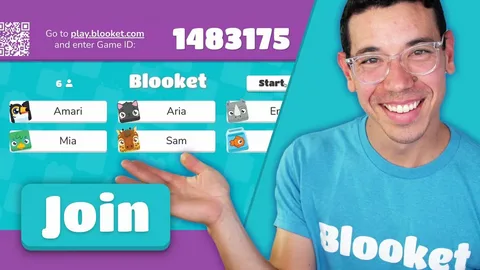
- Before the game begins, provide students with all the necessary information. This includes the Blooket Code, game rules, and any specific instructions about the session.
- Tip: Use classroom management tools like Google Classroom, email, or direct instruction to share the game code with your students in advance.
-
Pre-Join Test:
- Let students test the game by joining a few minutes before the official start time. This ensures that everyone can join without technical issues and gives you time to resolve any potential problems.
- Tip: Set up a test game a few minutes before class starts, so students can join early and avoid delays when the real game begins.
Conclusion:
Customizing the Blooket Join experience allows teachers to tailor the platform to their classroom needs. By adjusting the game setup, choosing the right game modes, and differentiating based on student abilities, teachers can ensure that every student is engaged and the game aligns with the learning goals. This flexibility makes Blooket a powerful tool for fostering an interactive and personalized learning environment.