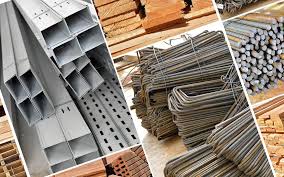
The growth of cities, industries, and transportation networks depends heavily on the strength and reliability of construction practices. From residential housing to commercial complexes and large-scale infrastructure projects, the quality of resources used plays a decisive role in durability, safety, and sustainability. Modern construction has evolved beyond traditional methods, focusing on efficiency, environmental responsibility, and long-term performance.
At the core of every successful project lies the careful selection of Building Materials. These resources determine not only the structural integrity of a project but also its resistance to weather, load, and time. Engineers, architects, and contractors now prioritize materials that meet international standards while balancing cost-effectiveness and availability.
One of the key trends shaping today’s construction industry is the demand for sustainable solutions. With increasing awareness of environmental impact, builders are opting for materials that reduce carbon footprints and promote energy efficiency. Recycled steel, fly ash-based cement, and eco-friendly composites are gaining popularity due to their reduced environmental impact and impressive strength. Such Building Materials contribute to greener construction practices without compromising performance.
Durability remains a critical factor in construction planning. Materials must withstand varying climatic conditions, including extreme heat, moisture, and seismic activity. High-quality concrete, reinforced steel, and advanced polymers are commonly used to enhance structural resilience. The proper testing and certification of Building Materials ensure compliance with safety norms and reduce the risk of structural failures over time.
Innovation has also transformed how construction resources are manufactured and applied. Technological advancements have led to the development of lightweight yet strong alternatives that improve efficiency and reduce labor costs. Prefabricated components, for example, allow faster assembly and minimize on-site waste. These innovations highlight how Building Materials are no longer just raw components but engineered solutions tailored for modern needs.
Cost management is another important consideration. While premium materials may require higher initial investment, they often result in lower maintenance expenses and longer service life. Builders increasingly evaluate life-cycle costs rather than focusing solely on upfront pricing. Choosing the right Building Materials can significantly reduce repair needs, downtime, and replacement costs in the future.
Safety and compliance are non-negotiable in construction projects. Materials must adhere to national and international quality standards to ensure occupant safety and structural stability. Fire-resistant panels, non-toxic finishes, and high-strength reinforcements are now standard requirements in many projects. Proper sourcing and quality checks of Building Materials help prevent accidents and legal complications.
The role of supply chains cannot be overlooked. Timely availability and consistent quality are essential for maintaining project schedules. Reliable suppliers play a crucial role in delivering certified Building Materials that meet project specifications. Strong supplier relationships help builders manage inventory efficiently and avoid costly delays.
In conclusion, modern construction is a complex process that relies on informed decisions, technical expertise, and dependable resources. The careful selection and application of Building Materials directly influence the success, safety, and sustainability of any structure. As the industry continues to evolve, the focus on innovation, quality, and environmental responsibility will further shape how construction projects are planned and executed. Investing in the right materials today ensures stronger, safer, and more resilient structures for the future.