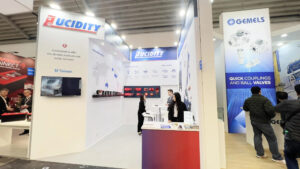
Munich is widely recognized as one of Europe’s most important destinations for premium trade fairs, hosting globally renowned exhibitions across industries such as automotive, technology, engineering, and luxury goods. Exhibiting at such high-profile events requires more than basic booth planning; it demands a refined design approach that reflects quality, innovation, and professionalism. For brands participating in premium exhibitions, Exhibition Stand Design in Munich must align with the city’s reputation for precision, elegance, and world-class standards, making design considerations a critical part of overall exhibition strategy.
Understanding the Premium Exhibition Environment
Premium exhibitions differ from standard trade shows in both scale and audience expectations. Visitors often include international buyers, industry leaders, decision-makers, and media professionals who are accustomed to high-quality presentations. As a result, exhibition stands are expected to communicate credibility instantly. Design choices should reflect clarity, sophistication, and purpose, ensuring that the stand supports meaningful interactions rather than overwhelming visitors with excessive visuals or clutter.
Strategic Layout and Space Utilization
One of the most important considerations in premium exhibition stand design is spatial planning. Munich’s major exhibition venues often feature large halls with diverse stand sizes, making it essential to use space efficiently. A well-planned layout guides visitor movement naturally, highlights key focus areas, and avoids congestion. Open designs with defined zones for product displays, discussions, and demonstrations help create a seamless visitor experience. Clear pathways and balanced proportions contribute to both functionality and visual appeal.
Material Selection and Build Quality
Premium exhibitions demand premium materials. The choice of materials plays a significant role in communicating brand value. High-quality wood finishes, glass, metal, and sustainable composites are commonly used to convey durability and refinement. In Munich, where engineering excellence and attention to detail are highly valued, poor material choices or visible construction flaws can negatively impact brand perception. Durable, well-finished materials ensure that the stand maintains its appearance throughout the exhibition.
Lighting as a Design Tool
Lighting is not merely functional; it is a powerful design element that shapes perception. Thoughtful lighting design can enhance product features, define spaces, and create a welcoming atmosphere. For premium exhibitions, layered lighting—combining ambient, accent, and focused lighting—adds depth and sophistication. Warm, well-balanced lighting helps avoid harsh shadows and ensures that displays look polished and professional under varying hall conditions.
Brand Storytelling Through Design
A premium exhibition stand should tell a clear and compelling brand story. Rather than relying on excessive text or graphics, successful designs use subtle visual cues, color schemes, and architectural elements to communicate identity. Consistency in branding across all design elements strengthens recognition and trust. In Munich’s competitive exhibition environment, stands that communicate their message quickly and clearly tend to attract more meaningful engagement.
Technology Integration with Purpose
While technology is a common feature in modern exhibition stands, its use should be intentional. Interactive screens, digital presentations, or virtual demonstrations can enhance understanding when they support the stand’s core message. However, technology should never distract from the overall purpose of the exhibition. In premium settings, visitors appreciate technology that is intuitive, informative, and seamlessly integrated into the design rather than flashy or overwhelming.
Comfort and Visitor Experience
Premium exhibitions prioritize quality interactions over high visitor volume. Providing comfortable seating areas, adequate lighting, and acoustic considerations encourages longer, more productive conversations. Thoughtful design that considers visitor comfort reflects professionalism and respect for the audience. In Munich’s international exhibitions, where discussions may involve complex negotiations, a calm and well-designed environment supports better communication.
Compliance with Local Standards and Regulations
Exhibiting in Munich requires adherence to strict venue regulations, safety standards, and sustainability guidelines. Premium stand design must account for fire safety, structural stability, and accessibility requirements. Early planning and a thorough understanding of local rules help avoid last-minute modifications that could compromise design quality. Compliance also demonstrates professionalism and reliability to both organizers and visitors.
Sustainability and Responsible Design
Sustainability is increasingly important in premium exhibitions. Many exhibitors now prioritize reusable structures, eco-friendly materials, and energy-efficient lighting. In a city like Munich, known for its environmental awareness, sustainable stand design aligns well with visitor expectations. Responsible design choices not only reduce environmental impact but also strengthen a brand’s long-term reputation.
Conclusion
Designing a stand for premium exhibitions in Munich involves balancing aesthetics, functionality, and strategic communication. Every element—from layout and materials to lighting and sustainability—contributes to how a brand is perceived on an international stage. Understanding these considerations helps exhibitors create stands that resonate with discerning audiences and meet the high standards associated with leading European trade fairs. In this context, insights often associated with an Exhibition Stand Builder in Germany highlight the importance of precision, planning, and quality-focused execution in achieving successful premium exhibition outcomes.