Carpets make a home or office feel warm, comfortable, and welcoming. They also collect dust, dirt, food crumbs, pet hair, and other unwanted materials through everyday use. Over time, these materials can make carpets look dull and develop unpleasant smells. Regular vacuuming helps remove loose dirt, but it may not be enough to deal with deeper cleaning needs.
Choosing the right carpet cleaning method can help you keep your carpets in good condition for longer. Two common options are dry carpet cleaning and steam cleaning. Both methods can help improve carpet cleanliness, but they work differently and may suit different situations.
Carpet dry cleaning Perth is an option for people who want to clean their carpets while keeping moisture use low. Steam cleaning, on the other hand, uses hot water and a cleaning solution to loosen dirt from carpet fibres before extracting the water and loosened material. The right choice depends on your carpet type, its condition, the kind of dirt present, and how quickly you need the carpet to be ready for use.
Understanding the differences between these methods can help you make a more informed decision for your home or workplace.
What Is the Difference Between Carpet Dry Cleaning Perth and Steam Cleaning?
Carpet dry cleaning Perth uses methods designed to clean carpets with a small amount of moisture compared with traditional wet cleaning. Steam cleaning usually involves applying hot water and a suitable cleaning solution, working it into the carpet, and extracting the moisture along with loosened dirt. Although both methods aim to improve carpet cleanliness, their processes, drying times, and suitability can differ.
How Carpet Dry Cleaning Works
Dry carpet cleaning is designed to avoid soaking the carpet. Depending on the method used, a cleaning product, absorbent compound, or low-moisture solution is applied to the carpet surface. The product helps loosen or absorb dirt, which is then removed using suitable equipment.
Some dry cleaning methods use specialised machines to work the cleaning material into the carpet fibres. Other methods use a low-moisture cleaning solution followed by extraction. The exact process depends on the products and equipment used.
One important benefit is that dry cleaning generally leaves less moisture behind. This can make it a useful option for areas that need to return to normal use relatively quickly.
However, low moisture does not automatically mean that every stain or deeply embedded contaminant will be removed. The results depend on the carpet material, the type of dirt, the cleaning method, and the condition of the carpet.
How Steam Cleaning Works
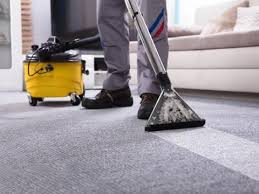
Steam cleaning is a common name for a hot-water extraction process. In many professional carpet cleaning services, hot water and a cleaning solution are applied to the carpet. A powerful extraction machine then removes the water, cleaning solution, and loosened dirt.
Despite its name, this process generally uses hot water rather than steam alone. The temperature and amount of moisture depend on the equipment and cleaning procedure.
Steam cleaning can be useful when carpets have accumulated dirt through regular foot traffic. It may also help with certain spills, marks, and residues when the correct treatment is used.
However, the carpet must be suitable for the method. Too much moisture, poor extraction, or incorrect cleaning products can cause problems for some carpet materials. Proper equipment and suitable drying conditions are important.
Comparing the Main Differences
The main difference between these cleaning methods is how they use moisture and remove dirt. Dry cleaning focuses on low-moisture methods, while hot-water extraction uses more water and removes it with specialised equipment.
Here is a simple comparison to help you understand the differences.
| Feature | Dry Carpet Cleaning | Steam Cleaning |
|---|---|---|
| Moisture use | Usually low | Usually higher |
| Drying time | Often shorter | Often longer |
| Cleaning approach | Uses suitable compounds or low-moisture products | Uses hot water, cleaning solution, and extraction |
| Best use | Situations where lower moisture is preferred | Carpets needing a more intensive cleaning process |
| Stain removal | Depends on the stain and cleaning method | Depends on the stain and cleaning method |
| Carpet suitability | Must match the fibre and cleaning instructions | Must match the fibre and cleaning instructions |
| Return to use | May be possible sooner | Usually requires more drying time |
Neither method is automatically better for every carpet. A professional assessment can help identify which approach is appropriate.
Which Method Has a Shorter Drying Time?
Drying time is one of the main reasons people consider dry carpet cleaning. Because the method generally uses less moisture, the carpet may become ready for use sooner than after hot-water extraction.
This can be helpful for busy households, offices, shops, and other spaces where carpets cannot remain out of use for long. It may also be useful when several rooms need cleaning within a limited period.
Steam cleaning usually leaves more moisture in the carpet, so it often needs more time to dry. Actual drying time depends on the amount of water used, the quality of extraction, air movement, room temperature, humidity, and carpet thickness.
It is important not to assume that a carpet is dry just because its surface feels dry. The backing and underlay may hold moisture. Good ventilation and following the cleaner’s drying instructions can help reduce moisture-related problems.
Which Method Is Better for Stains and Everyday Dirt?
The right cleaning method depends on the kind of dirt you need to remove. Loose dust, everyday marks, food spills, oily stains, and pet-related messes can require different treatments.
Dry cleaning may work well for routine maintenance and certain surface soils. Some methods can also help with particular spots when suitable products are used.
Hot-water extraction may be useful for removing accumulated dirt and residues from carpets that can safely tolerate the process. However, it does not guarantee that every stain will disappear. Some stains permanently change carpet colour or damage the fibres.
For the best results, identify the stain before cleaning it. Avoid rubbing the area aggressively, as this may push the material deeper into the fibres or damage the carpet. Follow the carpet manufacturer’s care instructions and use a suitable cleaning method.
Consider Your Carpet Type
Not all carpets respond to cleaning methods in the same way. Synthetic carpets may tolerate certain cleaning processes that are unsuitable for delicate natural fibres. Wool and other sensitive materials may require special products, controlled moisture, and careful handling.
Before choosing a method, check the carpet’s care label or manufacturer’s instructions. If the material is unknown or the carpet is expensive, ask a qualified cleaner to assess it first.
A suitable method should clean the carpet without causing colour changes, fibre damage, shrinkage, or problems with the backing.
How Can You Choose the Right Carpet Cleaning Method for Your Needs?
Carpet dry cleaning Perth may be suitable when lower moisture and a shorter drying period are important, while steam cleaning may suit carpets that need a more intensive hot-water extraction process. The best choice should be based on your carpet’s material, the level of dirt, the type of stains, and your schedule rather than on one method alone.
Choose Dry Cleaning for Busy Areas
Some homes and workplaces cannot afford to keep carpets out of use for a long period. Offices may need clean floors before employees return, while families may want to use living areas again soon after cleaning.
In these situations, a low-moisture method may be practical. It can reduce the amount of water left in the carpet and may help shorten the time required before normal use.
Dry cleaning can also be considered for routine maintenance when the carpet is not heavily soiled. Regular maintenance may help prevent dirt from building up between deeper cleans.
Still, the cleaning method should match the carpet and the problem. A quick-drying option is not useful if it fails to address the type of dirt present.
Consider Steam Cleaning for Heavily Used Carpets
Carpets in hallways, lounges, reception areas, and busy offices can collect dirt over time. If regular vacuuming has not kept them looking clean, hot-water extraction may be worth considering, provided the carpet is suitable for the process.
This method can loosen accumulated soil and help remove it through extraction. It may be particularly useful when a carpet needs more than light maintenance.
Before booking, ask about the cleaning process, the products being used, and the expected drying time. A professional cleaner should also explain any preparation needed, such as moving small items or keeping people away from wet areas.
Think About Pet Hair, Odours, and Spills
Homes with pets may face extra carpet cleaning challenges. Pet hair can often be removed through vacuuming and suitable tools, while urine and other organic messes may require specific treatments.
Neither dry cleaning nor steam cleaning automatically removes every pet odour. If urine has reached the carpet backing or underlay, surface cleaning alone may not be enough. The affected area may need a more targeted treatment.
For fresh spills, respond quickly and follow suitable care instructions. Blot liquid with a clean absorbent cloth instead of rubbing it into the fibres. Avoid applying random household products because they may affect the carpet colour or leave residues.
Tell your cleaner about any known stains, pet accidents, or previous cleaning treatments. This information can help them select an appropriate process.
Ask About Products and Cleaning Equipment
The cleaning products and equipment used can affect the results. Products should be suitable for the carpet material and used according to their instructions. Incorrect chemicals or excessive product use can leave residues, affect colours, or damage fibres.
Ask the cleaning service how it checks carpet suitability and whether it tests products on a small, hidden area when appropriate. You can also ask how moisture is controlled and what steps are taken to remove cleaning residues.
For hot-water extraction, effective water removal is important. For dry cleaning, the method should include proper removal of the cleaning compound or product after it has done its job.
Compare Cost With the Results You Need
The price of carpet cleaning can depend on the size of the area, carpet condition, cleaning method, stain treatment, furniture movement, and access to the property.
Dry cleaning may be practical when you need lower moisture and faster turnaround. Steam cleaning may offer value when a carpet requires more intensive treatment. However, prices and results vary, so it is worth asking for a clear quote before making a decision.
Make sure the quote explains what is included. Ask whether stain treatment, deodorising, furniture moving, or additional work costs extra. Comparing the service details can help you understand the value rather than choosing based on price alone.
Prepare Your Carpet Before Cleaning
A little preparation can help make carpet cleaning more effective. Remove small objects, toys, and loose items from the floor. Vacuuming before the appointment may also help remove loose dust and debris if recommended by the cleaner.
Point out areas with stains, heavy traffic, or unusual odours. Explain any previous treatments and mention if the carpet has been damaged by water or cleaning products.
After cleaning, follow the instructions provided. Keep foot traffic low while the carpet dries, improve ventilation when appropriate, and avoid placing furniture back on damp areas unless the cleaner confirms it is safe.
Maintain Your Carpet Between Professional Cleans
Regular care can help your carpet stay cleaner for longer. Vacuum frequently, especially in entrances and other busy areas. Use suitable mats near doors to reduce the amount of dirt brought inside, and clean spills promptly.
Move furniture occasionally when practical so that dirt does not build up only in exposed areas. Arrange professional cleaning when the carpet’s condition requires it, rather than waiting until it becomes heavily soiled.
A suitable maintenance routine can help protect the carpet’s appearance and reduce the need for intensive cleaning. The ideal frequency depends on the number of people using the space, pets, foot traffic, and the carpet manufacturer’s guidance.
Final Thoughts
Choosing between dry carpet cleaning and steam cleaning depends on what your carpet needs. Carpet dry cleaning Perth can be a useful option when lower moisture and a shorter drying time are priorities. Steam cleaning can be suitable for certain carpets that need a more intensive hot-water extraction process.
Both methods have benefits and limitations. Carpet material, stain type, dirt level, cleaning products, and the skill of the cleaner all affect the final result.