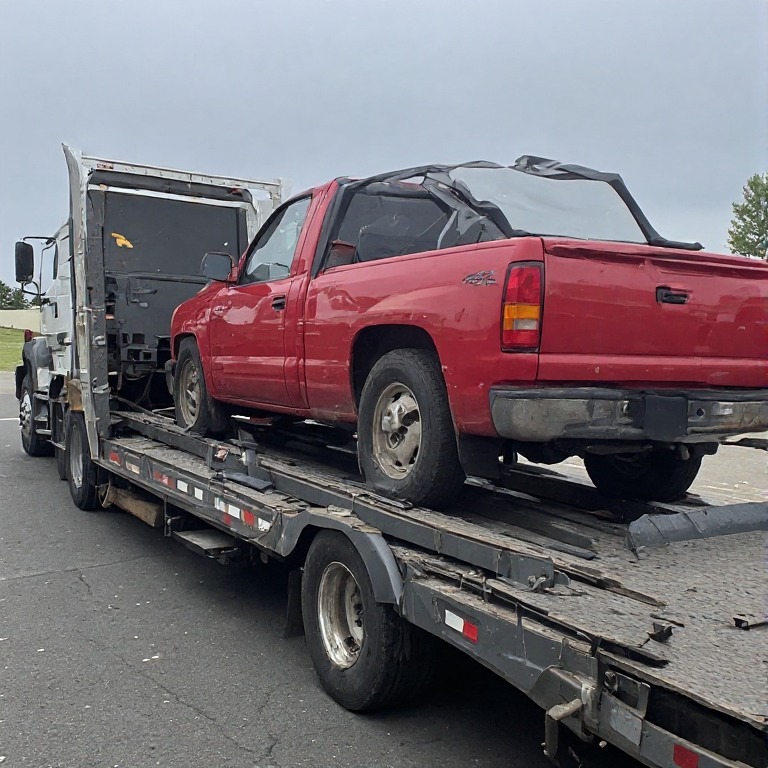
Moving a vehicle from California to North Carolina is a cross-country journey of more than 2,500 miles. Whether you’re relocating for a new career in Raleigh, sending a college student’s car to Charlotte, buying a vehicle from Los Angeles, or escaping the West Coast for the East, driving the entire distance isn’t always the smartest option.
This is where auto transport CA to NC becomes a practical solution. Instead of adding thousands of miles to your vehicle, professional auto shipping lets experienced carriers handle the journey while you travel however you prefer.
Before requesting quotes, however, there are several important things every vehicle owner should understand.
Is Shipping Really Better Than Driving?
Many people automatically assume driving is cheaper. After adding fuel, hotel stays, food, unexpected repairs, tire wear, depreciation, and several days away from work, the numbers often tell a different story.
Professional transport offers advantages such as:
- Preserving resale value
- Eliminating long-distance fatigue
- Reducing accident exposure
- Saving valuable vacation days
- Avoiding unnecessary maintenance after a cross-country trip
For many customers, convenience becomes just as valuable as the financial savings.
Which Vehicles Are Commonly Shipped From California to North Carolina?
Cross-country routes serve much more than family sedans.
Customers frequently transport:
- Electric vehicles
- Pickup trucks
- Luxury SUVs
- Sports cars
- Classic automobiles
- College student vehicles
- Military relocation vehicles
- Dealership inventory
Different vehicle types require different loading methods, trailer configurations, and scheduling considerations.
Understanding the Route
California-to-North Carolina shipments commonly travel through multiple states before reaching destinations such as:
- Charlotte
- Raleigh
- Durham
- Greensboro
- Wilmington
- Asheville
Instead of taking one fixed route, carriers adjust their paths based on weather conditions, traffic patterns, pickup schedules, and delivery commitments.
Efficient routing helps reduce delays while maximizing trailer capacity.
What Determines Your Shipping Price?
Rather than asking, “What’s the average cost?” it’s more useful to ask, “What makes one shipment different from another?”
Your quote is typically influenced by:
- Vehicle Specifications
Larger or heavier vehicles require more trailer space and may affect fuel consumption.
- Pickup Accessibility
Urban areas usually offer greater carrier availability, while remote locations can require additional travel.
- Delivery Destination
Major North Carolina cities often have more flexible scheduling than smaller towns.
- Transport Preference
Open transport remains the most popular choice, while enclosed transport provides additional protection for premium vehicles.
- Time of Year
Summer moves, military relocations, and seasonal demand can influence carrier availability.
Open Carrier or Enclosed Carrier?
Many first-time customers wonder whether enclosed shipping is necessary.
- Open Carrier
Ideal for:
- Daily drivers
- Family SUVs
- Pickup trucks
- Commuter vehicles
Benefits include affordability and wider carrier availability.
- Enclosed Carrier
Recommended for:
- Exotic cars
- Collector vehicles
- Restored classics
- High-value luxury automobiles
The additional protection often justifies the investment for specialty vehicles.
Timeline: What Happens After Booking?
A cross-country shipment isn’t simply “picked up and delivered.” Several coordinated steps take place behind the scenes.
- Transport scheduling begins.
- A qualified carrier is assigned.
- Pickup is confirmed.
- Vehicle inspection is completed.
- The vehicle joins a planned transport route.
- Delivery appointments are coordinated before arrival.
Understanding this workflow helps customers know what to expect instead of wondering why shipping takes several days.
Five Questions to Ask Before You Accept Any Quote
Instead of comparing prices alone, ask these questions:
- Is the carrier licensed and insured?
- What transport option is included?
- How flexible is the pickup window?
- What happens if weather causes delays?
- How will updates be communicated?
The quality of the answers often says more about a company than the quote itself.
Common Misconceptions About Cross-Country Auto Shipping
- “The cheapest quote is always the best.”
Low quotes sometimes exclude services or involve unrealistic scheduling expectations.
- “Every carrier follows the same route.”
Professional logistics teams continually optimize routes based on efficiency and demand.
- “My vehicle doesn’t need preparation.”
Even simple tasks like checking tire pressure and removing personal belongings help ensure smoother transport.
- “Delivery dates are guaranteed.”
Traffic, weather, inspections, and federal driving regulations can occasionally affect schedules.
Why Planning Ahead Makes a Difference
Customers who reserve transport in advance generally enjoy:
- More scheduling flexibility
- Better carrier availability
- Greater transport options
- Less last-minute stress
Booking early also provides additional time to compare services rather than rushing into a decision.
Why Customers Choose Rapid Auto Shipping
Cross-country vehicle transport requires more than finding an available truck. It requires careful coordination, experienced logistics professionals, and dependable communication.
Rapid Auto Shipping provides customers throughout the United States with:
- Door-to-door vehicle transportation
- Open and enclosed carrier options
- Nationwide licensed carrier network
- Flexible scheduling
- Competitive pricing
- Shipment coordination
- Dedicated customer support throughout transit
Whether shipping one personal vehicle or coordinating multiple transports, our team works to make every California-to-North Carolina shipment efficient and dependable.
Final Takeaway
Choosing auto transport CA to NC isn’t simply about moving a car from one coast to another. It’s about selecting a transportation solution that matches your schedule, budget, and expectations.
By understanding pricing factors, transport options, carrier qualifications, and the overall shipping process, you’ll be in a much stronger position to make an informed decision. A little planning before booking can lead to a smoother experience from pickup in California to delivery in North Carolina.
Frequently Asked Questions
- How many miles is auto transport from California to North Carolina?
Most routes range between 2,400 and 2,800 miles, depending on the exact pickup and delivery locations.
- How long does cross-country auto transport usually take?
Most shipments are delivered within 7 to 10 days, though weather, route efficiency, and carrier scheduling can affect transit times.
- Is open transport suitable for everyday vehicles?
Yes. Open carriers are the industry standard and are a reliable, cost-effective choice for most cars, SUVs, and pickup trucks.
- Can I transport an electric vehicle?
Absolutely. Professional carriers routinely transport electric vehicles, though it’s helpful to notify the transporter in advance if the EV has any special handling requirements.
- Should I wash my vehicle before shipping?
Yes. A clean vehicle makes it easier to document its condition during the pre-transport inspection.