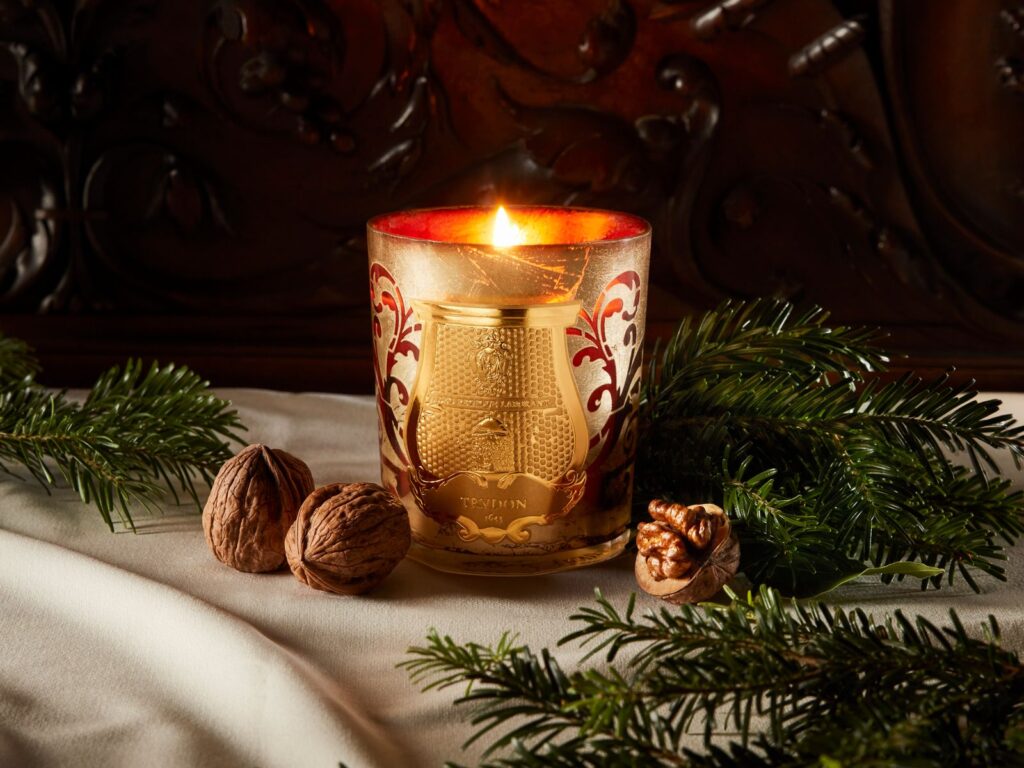
Fragrance candles are widely used for relaxation, mood enhancement, and home decoration. Many people enjoy seasonal options like Christmas fragrance candles due to their warm aroma and festive appeal. Burn time varies widely depending on wax type, wick quality, container design, and usage habits. Some candles last only a few hours, while others continue burning for over 100 hours. Understanding burn duration helps buyers choose better products, avoid waste, and improve candle performance. Candle lifespan is not fixed, making it essential to understand all influencing factors clearly.
What Determines the Burn Duration of Fragrance Candles
The burn duration of fragrance candles depends on multiple technical and environmental factors. Wax composition plays a major role because different waxes melt at different speeds. Wick size, fragrance oil concentration, and container design also affect how quickly wax is consumed. Storage conditions, such as heat exposure, may reduce candle efficiency before use. User behavior, including how long candles are burned in each session, further impacts total lifespan. Balanced usage and quality materials result in slower, more efficient burning with consistent fragrance release throughout the candle’s life.
Wax Type and Its Impact
Wax type is one of the strongest factors influencing candle burn time. Paraffin wax burns faster but delivers a strong fragrance throw, making it common in budget candles. Soy wax burns slower and more evenly, offering longer-lasting performance and cleaner combustion. Beeswax provides the longest burn time with a natural scent profile and minimal smoke. Coconut wax blends combine slow burning with excellent fragrance diffusion. Wax melting temperature also determines the consumption rate. Lower melting waxes burn quicker, while dense wax structures extend overall candle life significantly.
Wick Size and Candle Design
Wick design directly controls flame size and heat output, which affects burn speed. Thick wicks create larger flames that melt wax faster, while thinner wicks provide slower, controlled burning. Poor wick alignment can cause tunneling, where wax burns unevenly and reduces usable lifespan. Candle jar width also plays a role, as wide containers often require multiple wicks, increasing burn speed. Narrow jars usually extend burn time. Regular wick trimming supports stable flames, reduces soot formation, and ensures consistent wax usage throughout the candle’s lifecycle.
Environmental Factors That Affect Burning
Room conditions significantly influence fragrance candle performance. Airflow from fans, open windows, or air conditioners can cause uneven flames that burn wax faster. High room temperature softens wax quickly, reducing total burn duration. Humidity levels affect fragrance diffusion and flame stability. A controlled, draft-free environment allows candles to burn evenly and slowly. Placement also matters, as candles positioned near movement or ventilation systems often burn inefficiently. Stable surroundings ensure better scent performance, longer burn time, and improved safety during continuous candle usage.
Average Burn Time of Fragrance Candles
Fragrance candle burn time varies depending on size, wax type, and quality. Small candles (50–100g) usually last 8–20 hours, suitable for short-term use. Medium candles (100–250g) provide 20–50 hours of burn time, ideal for regular home use. Large candles (250–500g) can last 50–100 hours with proper care. Extra-large candles (500g+) may exceed 150 hours. Soy and beeswax candles generally last 10–30% longer than paraffin candles. Multi-wick candles produce stronger fragrance but consume wax faster due to increased heat output.
Signs Your Candle Is Nearing the End
Fragrance candles show clear signs when they are close to finishing. The flame becomes smaller or unstable due to reduced wax availability. Scent strength decreases as less fragrance oil vaporizes. Wax pooling may become uneven, especially near container edges. Tunneling may occur, limiting efficient burning. In later stages, only a thin wax layer remains at the bottom, making sustained burning difficult. Dark wick buildup may also appear. Recognizing these signs helps prevent overheated containers and ensures safer candle usage during the final burn cycles.
Tips to Extend Candle Lifespan
Proper candle care improves burn efficiency and extends lifespan significantly. Wick trimming to around 5mm before each use ensures controlled flames and reduces fast wax consumption. Allowing the entire surface layer to melt during each burn prevents tunneling and improves wax usage. Avoiding airflow exposure helps maintain stable flames. Shorter burning sessions preserve fragrance oils and prevent overheating. Using lids when candles are not in use protects scent quality and prevents dust contamination. Consistent care improves performance and ensures longer-lasting fragrance output.
Safety Considerations While Burning Candles
Candle safety is essential for both performance and household protection. Candles should always be placed on heat-resistant surfaces to avoid damage. Flammable materials such as curtains and paper products must be kept at a safe distance. Burning candles should never be left unattended, especially in enclosed spaces. Extended burning sessions may overheat glass containers and reduce wax stability. Children and pets should be kept away from open flames. Safe candle practices not only reduce risk but also help maintain consistent burn quality and improve overall lifespan.
Comparison of Candle Types and Burn Performance
Different candle types provide varying burn experiences. Paraffin candles burn faster but release stronger scents. Soy candles provide balanced performance with slower burning and eco-friendly benefits. Beeswax candles offer the longest burn time and cleanest combustion. Coconut wax blends provide smooth burning and excellent fragrance diffusion. Multi-wick candles increase scent throw but reduce overall lifespan due to higher heat output. Choosing the right candle type depends on user preference, burn duration expectations, and room size requirements for optimal fragrance performance.
Common Mistakes That Reduce Candle Life
Several common mistakes reduce the fragrance candle’s lifespan. Burning candles for too long in a single session causes overheating and wax loss. Ignoring wick trimming leads to uneven flames and fast burning. Placing candles in drafty areas causes unstable flames and wasted wax. Not allowing full surface melting creates tunneling issues that reduce usable wax. Improper storage exposes candles to heat and dust, affecting quality. Avoiding these mistakes significantly improves burn efficiency and ensures longer-lasting fragrance performance in everyday use.
Conclusion
Fragrance candle burn time depends on wax type, wick design, container shape, and environmental conditions. Smaller candles offer short-term use, while larger or premium candles can last over 100 hours. Proper care, including wick trimming and controlled burning, extends lifespan and improves fragrance output. Understanding these factors helps users choose the right candle for their needs and ensures better value over time. With correct usage, fragrance candles provide long-lasting aroma, consistent performance, and a more enjoyable home environment.