Fuel surge is the surge-varying instability in engine fuel supply from a few moments to a couple of hours during rapid acceleration or sharp turning or at times, in case of uneven driving conditions. The incident of fuel surge occurs when fuel shifts within the tank away from the pickup of the fuel pump, causing erratic fuel pressure to the engine. This can result in some level of engine power loss for sometime, with accompanying hesitation and misfires. Fuel surge is quite common in high-performance vehicles, turbocharged cars, and modified engines needing much more fuel.
Causes of Fuel Surge
The primary cause of fuel surge is usually something physical-the fuel moving inside the fuel tank. This fuel motion occurs when the vehicle accelerates quickly, brakes sharply, or turns hard. In such cases, the fuel sometimes shifts rapidly inside the tank, temporarily un-exposing the fuel pump to air. Now that is when fuel pressure would drop to the engine. Other things that could contribute to this case are low fuel levels, insufficient fuel pump capacity, or fuel tank designs that do not effectively mitigate the movement of fuel.
Effects on Engine Performance
The most readily noted effect of fuel surge is a temporary drop in engine performance. Drivers accelerate with hesitation, the engine misfires, idles roughly, or gets into trouble and stops altogether. The fuel must consistently reach the engine for optimum combustion, and any interruptions caused by fuel surges will reduce power output and efficiency. In the long term, repeated fuel surges would place even more stress on the fuel pump and injectors, thereby shortening their useful life.
How Surge Tanks Help Prevent Fuel Surge
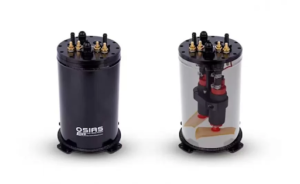
By far, one of the best ways to keep fuel surge at bay is by installing a surge tank. A surge tank is a near-engine secondary reservoir that guarantees an uninterrupted fuel supply to the pump, even where fuel in the main tank is moving around. This buffer prevents fuel starvation during spirited driving and guarantees constant fuel pressure at the injectors. Surge tanks are therefore very crucial in high-performance and race vehicles, where a mere drop in fuel pressure for a fraction of a second can interfere with the reliability of the engine.
Fuel Surge in High-Performance Vehicles
Under extreme conditions requiring high fuel flow, fuel surges are rampant in high-performance and turbocharged vehicles. The normal food system may not keep up with these rapid changes in fuel demand, exposing the engine to sudden starvation. These vehicles usually employ upgraded fuel pumps, well designed fuel tanks, and surge tanks to prevent fuel surge ensuring consistent performance.
Preventing Fuel Surge in Everyday Driving
While fuel surging is most common among performance vehicles, under certain conditions, fuel surge can affect daily drivers as well. Keeping a car with a good fuel supply, steering clear of hard acceleration or sharp turns with a low amount of fuel, and ensuring that the fuel pump is functioning well will lessen these situations. Additional fuel movement control design for pressure drop would include baffles used in some more modern cars.
Conclusion
Fuel surge is a temporary instability in fuel delivery affecting engine performance, efficiency, and reliability. Fuel inside the tank shifts, causing inconsistent pressure at the engine. Fuel surge is particularly prevalent in high-performance vehicles; however, the presence of upgraded pumps, surge tanks, and proper fuel system design can prevent fuel surge. Proper understanding and OSIAS management of fuel surge will enhance smooth running of the engine, safeguard the fuel system components, and ensure its reliable performance across any driving condition.